Fall is one of the most rewarding times to grow vegetables at home. As summer temperatures begin to drop, many vegetables that struggle in extreme heat start growing better. The soil is still warm enough to encourage root development, while cooler days help leafy greens and other cool-season crops thrive.
If you are planning a fall vegetable garden in the United States, you do not need a large backyard or years of gardening experience. A few raised beds, suitable containers, or a sunny patch of soil can be enough to grow fresh vegetables for your kitchen.
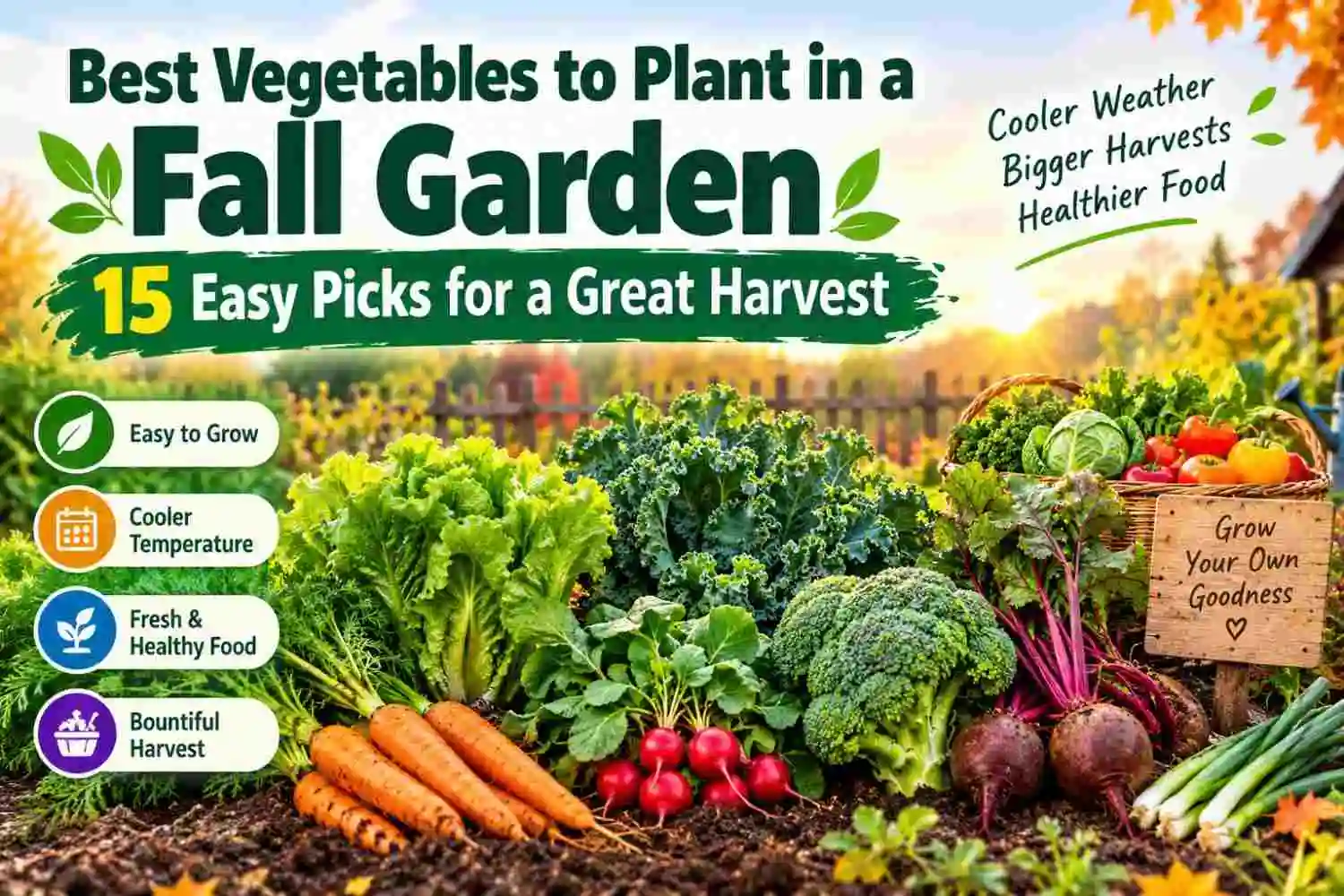
The best vegetables to plant in a fall garden include spinach, lettuce, carrots, radishes, kale, broccoli, cabbage, beets, and several other cool-season crops. However, choosing the right vegetables is only part of the process. You also need to know when to plant them, how much sunlight they need, and how much time they require to mature before the first hard frost.
In this guide, you will discover 15 of the best fall garden vegetables, helpful planting tips, common mistakes to avoid, and advice for growing a productive autumn vegetable garden in your local climate.
🌱 Why Plant a Fall Vegetable Garden?
Many gardeners focus on spring and summer planting, but fall gardening offers several advantages that are easy to overlook.
First, cooler temperatures make gardening more comfortable. You may spend less time watering than during the hottest summer months, depending on rainfall and your local climate. Some vegetables also develop a sweeter flavor after exposure to cool weather.
For example, kale and carrots can taste sweeter after cool temperatures, although results depend on the variety and growing conditions. Leafy greens such as spinach, arugula, and lettuce also perform well when temperatures are suitable.
Another advantage is that a fall garden can help you make better use of empty garden beds after summer crops finish producing. Instead of leaving the soil bare, you can plant vegetables that mature in a relatively short period.
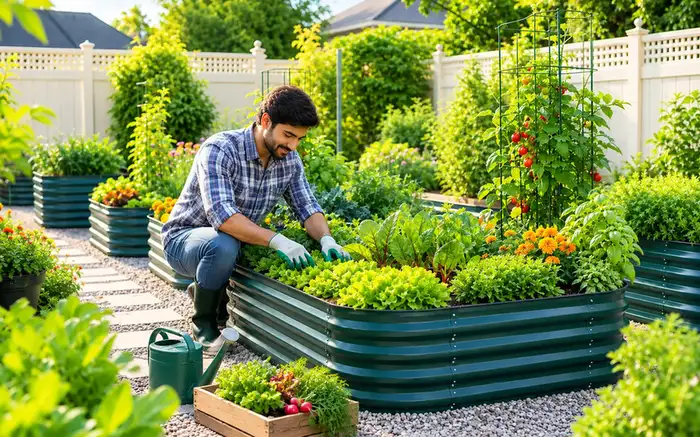
Fall vegetable gardening can also work well in raised beds and containers. You can grow radishes, lettuce, spinach, and green onions in smaller spaces without needing a traditional garden.
Quick benefits of fall gardening:
- 🌿 Grow fresh vegetables during cooler weather.
- 🥕 Make use of garden space after summer harvests.
- 🥬 Enjoy fresh leafy greens for salads and cooking.
- 💧 Potentially reduce watering needs when temperatures fall.
- 🏡 Grow vegetables in backyard beds, patios, and containers.
- 🍂 Extend your gardening season before winter arrives.
The key is to select vegetables that match your local climate and remaining growing season.
🥕 15 Best Vegetables to Plant in a Fall Garden
The following vegetables are popular choices for a fall vegetable garden in many parts of the United States. Your results will depend on your USDA hardiness zone, local first-frost date, sunlight, and planting time.
1. Spinach
Spinach is one of the best vegetables to plant in a fall garden because it grows well in cool weather and can provide multiple harvests.
Unlike some warm-season crops, spinach generally prefers cooler conditions. Hot weather can cause plants to bolt, which means they begin producing flowers and seeds instead of maintaining tender leaves.
How to grow spinach in fall:
Helpful tools and essentials for a healthier, more beautiful garden.
- ☀️ Sunlight: Full sun to partial shade.
- 🌱 Planting method: Direct sowing is usually preferred.
- 💧 Water: Keep the soil consistently moist, not waterlogged.
- 🪴 Soil: Use fertile, well-draining soil.
- ⏱️ Harvest: Often around 35–50 days, depending on the variety.
Plant spinach early enough for the leaves to develop before severe cold arrives. In milder climates, you may be able to harvest leaves over a longer period.
Harvest the outer leaves first while allowing the center of the plant to continue growing. This can provide a steady supply of fresh greens for salads, smoothies, soups, and cooked dishes.
2. Carrots
Carrots are an excellent choice for fall vegetable gardening because they can develop well in cool weather. They also store well after harvest when handled and refrigerated appropriately.
For straight, well-shaped carrots, soil preparation is particularly important. Heavy, compacted soil and stones can cause roots to fork or grow unevenly.
Carrot planting tips:
- ☀️ Sunlight: Around six or more hours daily.
- 🌱 Planting method: Sow seeds directly into the garden.
- 💧 Water: Keep the seedbed evenly moist during germination.
- 🪴 Soil: Loose, stone-free, well-draining soil.
- ⏱️ Harvest: Commonly around 60–80 days, depending on variety.
Carrot seeds are small, so avoid planting them too deeply. Once seedlings appear, thin them according to the seed packet instructions to give the roots room to develop.
If your garden has heavy clay soil, consider growing shorter carrot varieties in a raised bed or a sufficiently deep container.
3. Lettuce
Lettuce is one of the easiest vegetables for beginners to grow in fall. It matures relatively quickly, takes up little space, and works well in containers.
You can choose leaf lettuce, romaine, butterhead, or heading varieties. Leaf lettuce is especially useful for gardeners who want to harvest small amounts regularly.
Lettuce growing guide:
- ☀️ Sunlight: Full sun in cooler conditions; partial shade may help in warmer areas.
- 🌱 Planting method: Direct sow or transplant seedlings.
- 💧 Water: Maintain consistent moisture.
- 🪴 Soil: Fertile, well-draining soil.
- ⏱️ Harvest: Baby leaves may be ready in about 25–35 days; mature plants take longer.
Avoid letting lettuce dry out completely, as uneven watering can affect leaf quality. Harvest outer leaves when the plants are large enough, or pick the entire plant when mature.
For a longer harvest, sow small batches every one or two weeks while your local weather allows.
4. Radishes
If you want quick results from your fall garden, radishes are worth considering. Many common varieties mature in roughly three to five weeks, making them suitable for short growing windows.
Radishes are also useful for filling gaps between slower-growing vegetables.
Radish planting tips:
Helpful tools and essentials for a healthier, more beautiful garden.
- ☀️ Sunlight: Full sun.
- 🌱 Planting method: Direct sow seeds.
- 💧 Water: Keep soil evenly moist.
- 🪴 Soil: Loose soil with good drainage.
- ⏱️ Harvest: Often 20–35 days.
Plant seeds in rows or containers, following the spacing on the seed packet. Crowded radishes may develop smaller roots.
Harvest them promptly once they reach the recommended size. Leaving mature radishes in the ground too long, especially in unsuitable weather, can result in tough or pithy roots.
Because they grow quickly, radishes are also a practical vegetable for children and first-time gardeners.
5. Kale
Kale is a popular cool-season vegetable that can continue producing leaves over an extended period when growing conditions remain favorable.
It is available in several varieties, including curly kale, lacinato kale, and red Russian kale. Each has a slightly different appearance and texture, so you can choose according to your cooking preferences.
Kale growing requirements:
- ☀️ Sunlight: Full sun to partial shade.
- 🌱 Planting method: Seeds or transplants.
- 💧 Water: Regular watering during establishment.
- 🪴 Soil: Fertile, well-draining soil.
- ⏱️ Harvest: Baby leaves may be ready in about 25–35 days; larger leaves take longer.
Kale is a good option for gardeners who want repeated harvests rather than a single crop. Pick the lower, outer leaves and leave the growing center intact.
Check plants regularly for caterpillars and other common garden pests. Floating row covers can help protect young plants when installed appropriately.
6. Broccoli
Broccoli is one of the most rewarding vegetables to grow in a fall garden, particularly in areas where summers are too hot for reliable broccoli production.
However, broccoli needs enough time to establish and develop heads before severe cold arrives. In many regions, starting with transplants is more practical than sowing seeds directly in late fall.
Broccoli planting guide:
- ☀️ Sunlight: Full sun.
- 🌱 Planting method: Transplants or seeds started earlier.
- 💧 Water: Keep moisture consistent.
- 🪴 Soil: Fertile soil with good drainage.
- ⏱️ Harvest: Commonly 55–85 days, depending on variety and whether the timing is measured from sowing or transplanting.
Broccoli grows best when temperatures remain relatively cool. Heat stress can lead to poor head development, so timing matters.
Harvest the central head while the flower buds are still tight. Some varieties produce smaller side shoots after the main head is removed.
7. Cabbage
Cabbage is another dependable option for a fall vegetable garden. It comes in green, red, and specialty varieties, making it useful for salads, slaws, soups, and cooked dishes.
Because cabbage takes longer to mature than radishes or leaf lettuce, plan ahead and check the days-to-maturity information before planting.
Cabbage growing tips:
- ☀️ Sunlight: Full sun.
- 🌱 Planting method: Usually transplants for a fall crop.
- 💧 Water: Water consistently, especially while heads develop.
- 🪴 Soil: Nutrient-rich, well-draining soil.
- ⏱️ Harvest: Often around 70–100 days, depending on the variety.
Give cabbage enough room to form heads. Crowded plants tend to compete for light, water, and nutrients.
Try to maintain even soil moisture because sudden changes in water availability can contribute to head splitting in some varieties.
8. Beets
Beets are useful in a fall garden because both their roots and young leaves can be eaten. They also offer variety in color, with traditional red, golden, and striped types available.
Beet seeds are actually clusters that may produce multiple seedlings, so thinning is often necessary.
Beet planting guide:
- ☀️ Sunlight: Full sun to partial shade.
- 🌱 Planting method: Direct sow.
- 💧 Water: Keep soil evenly moist.
- 🪴 Soil: Loose, fertile soil.
- ⏱️ Harvest: Often around 50–70 days.
Thin seedlings according to the seed packet instructions to give developing roots enough room. Young beet greens can be harvested sparingly before the roots mature.
For a continuous harvest, plant successive small rows rather than sowing the entire packet at once.
9. Arugula
Arugula, also known as rocket, is a fast-growing leafy green with a distinctive peppery flavor. It is a good choice for gardeners who want fresh salad ingredients without waiting for a long growing season.
Arugula is especially useful in smaller gardens because it can grow in pots, window boxes, and raised beds.
Arugula growing tips:
- ☀️ Sunlight: Full sun to partial shade.
- 🌱 Planting method: Direct sow.
- 💧 Water: Keep the soil evenly moist.
- 🪴 Soil: Well-draining soil with moderate fertility.
- ⏱️ Harvest: Baby leaves often in about 20–30 days.
Harvest young leaves for a milder flavor. Older leaves tend to taste stronger and more peppery.
Like other leafy greens, arugula may bolt when temperatures rise. Fall planting can help you avoid the heat that makes growing it more difficult in summer.
10. Swiss Chard
Swiss chard is a colorful leafy vegetable with green leaves and stems that may be red, yellow, pink, or white, depending on the variety.
It can be productive in garden beds and large containers. While it tolerates some warmth better than spinach, it can also grow during cooler weather.
Swiss chard requirements:
- ☀️ Sunlight: Full sun to partial shade.
- 🌱 Planting method: Direct sow or transplant.
- 💧 Water: Regular moisture.
- 🪴 Soil: Fertile, well-draining soil.
- ⏱️ Harvest: Baby leaves may be ready in about 25–35 days.
Pick the outer leaves as needed and leave the center growing point undamaged. This allows the plant to continue producing new leaves.
Swiss chard is a practical option if you want a vegetable garden that looks attractive as well as productive.
11. Turnips
Turnips are a versatile cool-season crop because both the roots and leafy tops can be used in the kitchen. Some varieties mature quickly enough to fit into a relatively short fall growing season.
They are particularly suitable for gardeners who want to use open space after harvesting summer vegetables.
Turnip planting tips:
- ☀️ Sunlight: Full sun.
- 🌱 Planting method: Direct sow.
- 💧 Water: Maintain consistent soil moisture.
- 🪴 Soil: Loose, well-draining soil.
- ⏱️ Harvest: Many varieties mature in about 30–60 days.
Follow the recommended spacing on the seed packet. Harvest roots when they reach a useful size rather than waiting too long.
Young turnip greens can also be harvested for cooking. However, avoid removing too many leaves if you want the plant to continue developing its root.
12. Cauliflower
Cauliflower can produce excellent results in a fall garden when planted at the right time. It is generally better suited to cool weather than extreme heat, but it needs a suitable growing window to develop its edible head.
Choose a variety appropriate for your region and pay attention to transplanting dates.
Cauliflower growing guide:
- ☀️ Sunlight: Full sun.
- 🌱 Planting method: Transplants are often convenient.
- 💧 Water: Consistent moisture is important.
- 🪴 Soil: Fertile, well-draining soil.
- ⏱️ Harvest: Often around 55–100 days, depending on variety and starting point.
Cauliflower can be more sensitive to temperature fluctuations than some other vegetables. Excessive heat or unsuitable growing conditions may lead to small or uneven heads.
For the best chance of success, follow the variety-specific planting schedule and provide adequate space for each plant.
13. Green Onions
Green onions, sometimes called scallions, are useful in a home garden because they take up relatively little space and can be used in many everyday recipes.
Depending on the variety, they can be grown from seeds, sets, or suitable starter plants.
Green onion growing tips:
- ☀️ Sunlight: Full sun to partial shade.
- 🌱 Planting method: Seeds, sets, or transplants.
- 💧 Water: Keep soil moderately moist.
- 🪴 Soil: Loose, well-draining soil.
- ⏱️ Harvest: Often around 40–60 days from seed for many varieties.
Green onions can grow in rows, raised beds, or containers. Harvest when the stems reach a useful size.
Planting a small row at intervals can help provide a steady supply instead of producing more onions than you can use at once.
14. Peas
Peas are a worthwhile addition to a fall vegetable garden in regions where there is enough cool growing time before freezing weather arrives.
Garden peas, snow peas, and snap peas are popular options. Some varieties need support, so a small trellis can make harvesting easier.
Pea planting guide:
- ☀️ Sunlight: Full sun.
- 🌱 Planting method: Direct sow.
- 💧 Water: Keep the soil evenly moist.
- 🪴 Soil: Well-draining soil.
- ⏱️ Harvest: Many varieties take approximately 55–75 days.
Peas generally dislike extreme heat. In warmer parts of the United States, late-summer planting may be more suitable than planting at the same time as gardeners in colder northern regions.
Check your expected first frost and the variety’s days to maturity before sowing.
15. Garlic
Garlic is different from many other fall garden vegetables because it is commonly planted in autumn for harvest the following summer.
In many regions, gardeners plant individual garlic cloves in fall so they can develop roots before winter. Growth resumes when conditions become suitable.
Garlic planting tips:
- ☀️ Sunlight: Full sun.
- 🌱 Planting method: Plant individual cloves with the pointed end facing upward.
- 💧 Water: Water after planting and during dry periods.
- 🪴 Soil: Fertile, well-draining soil.
- ⏱️ Harvest: Usually the following summer, depending on variety and climate.
Planting time varies significantly by region. Gardeners in colder climates often plant garlic several weeks before the ground freezes, while warmer regions may plant later.
Use garlic intended for planting from a reliable garden supplier rather than assuming every grocery-store bulb is suitable.
📅 When to Plant Fall Vegetables
One of the most important questions in fall gardening is when to plant fall vegetables. The answer depends on your location, the expected first frost, and how long each vegetable needs to mature.
A useful starting point is to work backward from your average first-frost date.
For example, if a vegetable needs 60 days to mature, you generally want to provide at least that much time before the expected end of its growing window. Add extra time when recommended for germination, slow growth, or changing autumn conditions.
The first frost is not the same as the first hard freeze. Some vegetables tolerate light frost, while others are damaged by freezing temperatures.
General Fall Planting Calendar for the United States
| Region | General planting period |
|---|---|
| Northern states | Often late summer for many fall crops |
| Midwest | Commonly late summer to early fall |
| Northeast | Usually late summer, adjusted for local frost dates |
| Mid-Atlantic | Late summer through early fall, depending on crop |
| Southern states | Often late summer through fall |
| Warm coastal areas | Planting may continue later where temperatures permit |
These are broad guidelines, not fixed dates. Conditions differ considerably between states and even between nearby locations.
For more reliable timing, use your local extension service, check your USDA growing zone, and read the seed packet’s days-to-maturity information.
🌡️ How to Choose the Right Fall Vegetables for Your Climate
Not every vegetable performs equally well in every part of the United States. A gardener in Minnesota has a different fall growing window from someone gardening in Georgia or Florida.
Before buying seeds, consider these three factors.
1. Your USDA growing zone
The USDA Plant Hardiness Zone Map is mainly designed to describe average annual extreme minimum winter temperatures. It can help with perennial plant selection, but it does not tell you everything about when to sow annual vegetables.
For fall vegetable timing, local frost dates and seasonal temperatures are particularly important.
2. Days to maturity
Check how many days a variety needs to reach harvest. Fast-growing radishes and baby greens may fit into a short season, while broccoli and cabbage need more planning.
3. Frost tolerance
Spinach, kale, and some other cool-season vegetables can tolerate light frost under suitable conditions. Tender crops may need protection or harvesting before freezing weather.
A little planning before planting can save money and help you get more vegetables from your garden.
🪴 Best Fall Vegetables to Grow in Containers
You do not need a backyard to enjoy fall vegetable gardening. Several vegetables grow well in pots, planters, and raised containers.
Good options include:
- 🥬 Lettuce
- 🌿 Spinach
- 🌱 Arugula
- 🔴 Radishes
- 🧅 Green onions
- 🥕 Short-rooted carrot varieties
- 🌿 Swiss chard
Choose containers with drainage holes and enough depth for the vegetable you plan to grow. Use a suitable potting mix rather than dense garden soil, which can become compacted in containers.
Place your pots where they receive appropriate sunlight and are easy to water. Containers can dry out faster than garden beds, even during cooler weather, so check the soil regularly.
If cold weather arrives, containers can sometimes be moved to a sheltered position. Remember that the roots of container-grown plants may be more exposed to freezing temperatures than plants growing in the ground.
🌱 How to Prepare Your Garden for Fall Planting
Preparing your garden properly gives new vegetables a better start.
Step 1: Remove Finished Summer Crops
Pull out dead or unproductive plants and remove diseased plant material. Healthy, disease-free plant residues may be composted where appropriate.
Clearing old crops also makes it easier to identify pests and prepare the soil.
Step 2: Improve the Soil
Add mature compost if the soil needs organic matter. Avoid adding excessive fertilizer without understanding what your soil needs.
If you have recurring problems with poor growth, a soil test can help identify pH and nutrient issues.
Step 3: Sow Seeds at the Correct Depth
Different vegetables have different sowing requirements. Small seeds such as lettuce and carrots should not be buried too deeply.
Follow the instructions on the seed packet for planting depth and spacing.
Step 4: Keep the Seedbed Moist
Autumn weather can still be warm and dry, especially during late summer. Water newly planted seeds gently so the surface does not dry out before germination.
Step 5: Add Mulch When Appropriate
Once seedlings are established, a suitable organic mulch can help moderate soil moisture and reduce weeds.
Keep mulch from pressing directly against delicate stems, and adjust the amount to suit your climate and soil conditions.
Step 6: Monitor Pests and Weather
Inspect leaves regularly for holes, discoloration, and signs of insects. Keep an eye on frost forecasts as the season progresses.
Lightweight row covers can provide some protection against insects and certain cold conditions when installed correctly. They do not guarantee protection during severe freezes.
❌ Common Fall Gardening Mistakes to Avoid
Even easy vegetables can struggle if planting conditions are unsuitable. Avoid these common mistakes when planning your autumn vegetable garden.
Planting too late: Vegetables may not mature before the weather becomes too cold. Check the days to maturity and your local growing window.
Ignoring local conditions: A planting calendar written for one state may not suit another. Use local frost information rather than copying dates without adjustment.
Overwatering: Cooler weather can reduce water loss, but wet soil can still cause root problems. Check moisture before watering.
Planting too closely: Crowded vegetables compete for sunlight, nutrients, and water. Follow recommended spacing.
Using compacted soil: Root crops such as carrots and beets need soil that allows their roots to develop properly.
Forgetting sunlight: Most fruiting and root vegetables benefit from several hours of direct sunlight. Leafy greens may tolerate some partial shade.
Ignoring pests: Caterpillars, aphids, and other pests can damage fall crops. Inspect plants and use appropriate control methods.
Expecting every crop to survive winter: Frost tolerance varies by vegetable, variety, and local conditions. Harvest tender crops before damaging cold or provide suitable protection.
🧺 Tips for Getting a Better Fall Harvest
A few simple habits can make your fall vegetable garden more productive.
- 🌱 Choose suitable varieties: Look for varieties recommended for your climate and the length of your remaining growing season.
- 📅 Stagger planting: Sow quick-growing vegetables in small batches for a more continuous harvest.
- 💧 Water consistently: Avoid letting newly planted seeds dry out.
- 🪴 Use raised beds where helpful: Raised beds can improve drainage and make soil preparation easier.
- 🍂 Protect suitable crops: Use row covers or other appropriate protection when frost threatens.
- ✂️ Harvest regularly: Pick leafy greens and mature vegetables at the recommended stage.
- 📝 Keep simple notes: Record planting dates, varieties, germination, and harvest results to improve next year’s garden.
You do not need to grow all 15 vegetables at once. Start with three or four that fit your space, cooking habits, and local weather. Once you understand how they perform, you can expand your garden next season.
🌻 Final Thoughts
A fall vegetable garden is a practical way to enjoy fresh produce while making better use of your garden space. Cooler temperatures can create favorable growing conditions for spinach, lettuce, carrots, radishes, kale, broccoli, and many other vegetables.
The best approach is to start with vegetables suited to your climate, check your local frost dates, and follow the recommended planting instructions for each variety. If you have limited space, begin with containers of lettuce, spinach, or radishes. If you have raised beds or a larger garden, try combining quick-growing leafy greens with slower-growing crops such as broccoli and cabbage.
Most importantly, do not assume that every vegetable should be planted on the same date across the United States. Local weather and days to maturity make a real difference.
With a little preparation and regular care, your fall garden can provide a satisfying harvest and help you build gardening skills for the seasons ahead.